A war mine that went quiet. He staked the best of it.
One of the accomplishments Lindsay measured his career by. The antimony was always there. The market left.
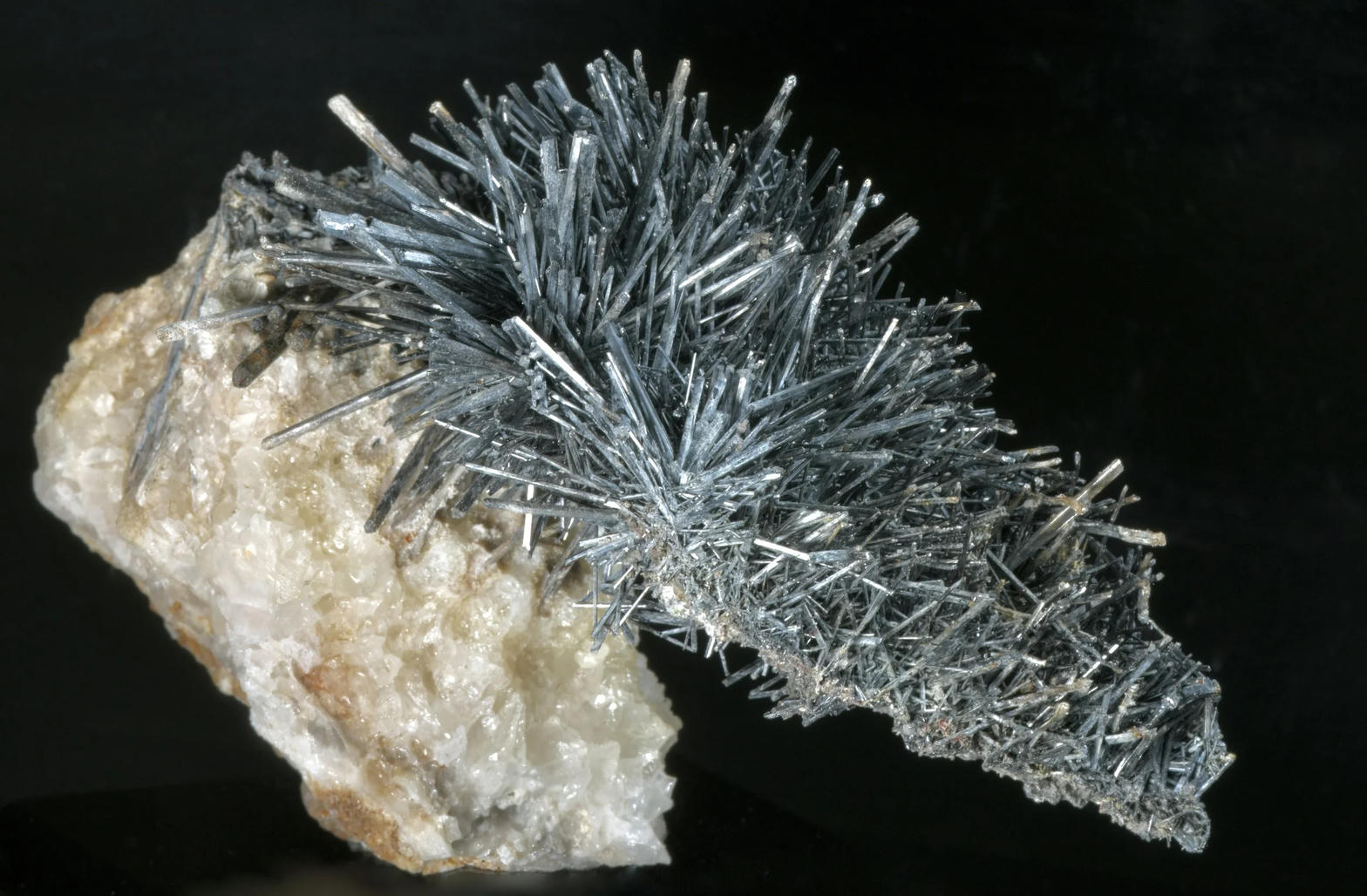
West Gore was found in 1883, in folded graphitic slates of the Meguma, at the eastern edge of the Rawdon Hills gold camp, about fifty kilometres north of Halifax. Gold was the camp’s habit. Antimony was the accident that made this hill matter.
The accident became a war industry. From 1914 to 1917 the mine ran hard. Concentrate went to England. Military Metals, the company now operating the ground, cites nearly 32,000 tonnes mined in those years, more than 7,000 tonnes of concentrate grading 46 percent antimony, and 6,861 ounces of gold. Shaft house, a new mill, a single famous season. Then the war ended, the antimony price died with it, and the hill went quiet.
A little work in the 1950s, 1960s and 1980s. Nothing that reopened it. The Brook vein sat there with one old stope. The main mine stopped at the bottom of a wartime working.
2009
Lindsay staked the best part of West Gore. Elk’s first claim on the hill was 2009. He treated it as one of the big acts of his career: not a soil line, a past producer with the war still in the dumps, waiting on someone who could see antimony before the market did.
The option was signed in 2021. The operator now is Military Metals Corp. They are drilling under the old workings and along the Brook vein, the program described on their West Gore page. Elk holds a 3% net smelter return. The rest of the paper stays in the contract.
Why it reads as a career piece
Anyone can stake a clearing. Staking the heart of a mine that armed a war, then holding it from 2009 to an option in 2021, is a prospector’s kind of patience. The blades were in the slate the whole time.