
He built the room the prospectors meet in.
President for years. Prospector of the Year, more than once. A man who pumped out a drowned shaft with his own money, because he wanted to be the first Nova Scotian to go underground on his own dime.
The association
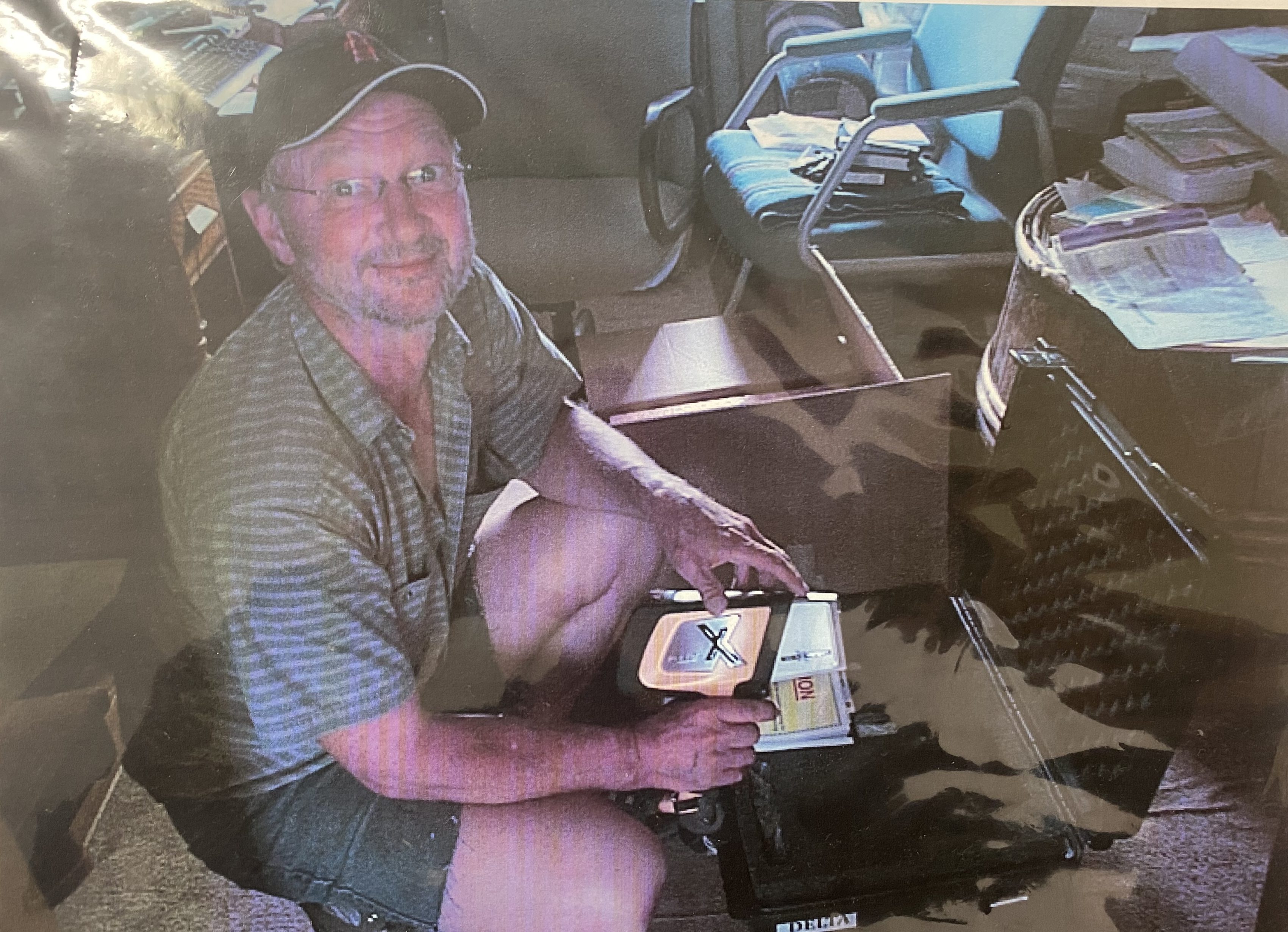
Lindsay John Allen, 9 Jan 1953 – 7 Sept 2023, built the Nova Scotia Prospectors Association into the camp’s own room: meetings, field trips, advocacy, a place a new prospector can learn the trade. The association dates its life to 1993. The provincial registry records the society, number 2496572, formed on 25 Sept 1995 by Lindsay J. Allen, at the River Road address Elk still uses. He was its president for many years. The public site still says what he built it to say: sustainable prospecting, and the work of showing up.
In 2003 he was the first recipient of the Pulsifer-Holmes Prospector of the Year award. The family counts more than one. He was at PDAC again and again, not as a booth costume, as the prospector who had claims in the room. Lake Catcha, West Gore, Debert Lake. Dozens of other stakes that never became a headline. Newspapers in the province ran him as the featured prospector when the trade needed a face. He helped pull mineral exploration back into the open, when the easy years were over and the woods had gone quiet.
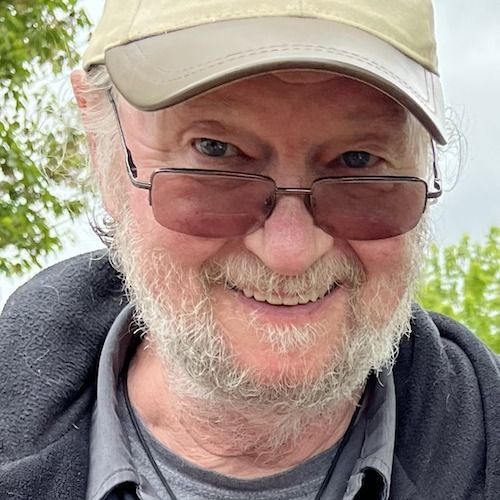
From the dedication
A husband, a father, a friend, a professional, and a truly great Nova Scotian prospector.
Debert Lake is the rare-earth chapter of that same habit. Gulf drilled it for uranium. David Gower described rare-earth minerals in hole DL-16 in 1988, and the file went quiet. In September 2005 Lindsay staked licences 06285 and 06287, Debert Lake and Snare Lake Bog, and walked it in 2006. The licences moved to Alpha Uranium in April 2008. Alpha became Magnum. He sold in and stayed a major shareholder. The interest is shares, not a royalty. The full clock is on the Debert page.
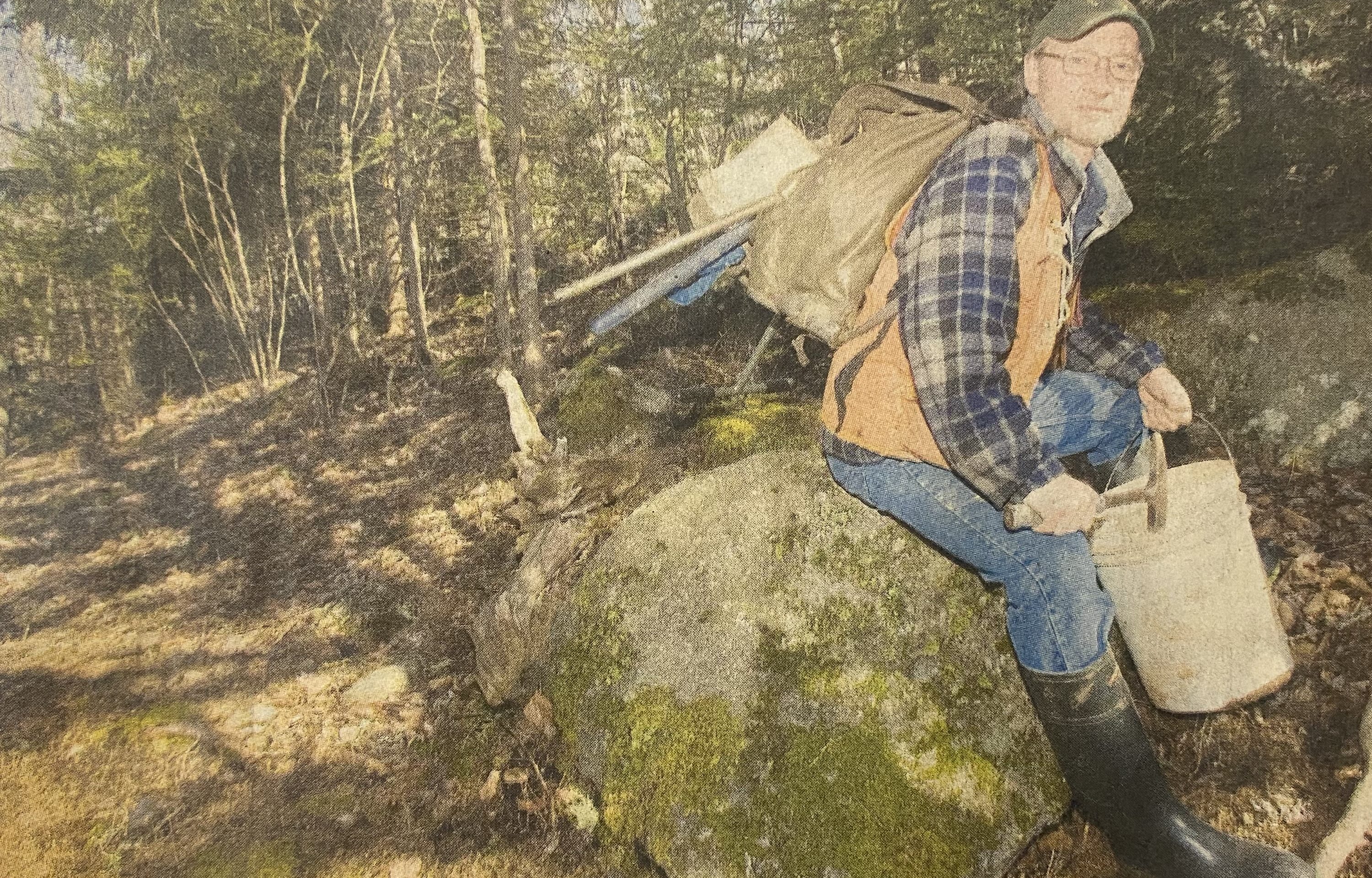
Mill Village
The ambition was specific. Be the first Nova Scotian to spend his own money to go underground. Not a company hole. His.
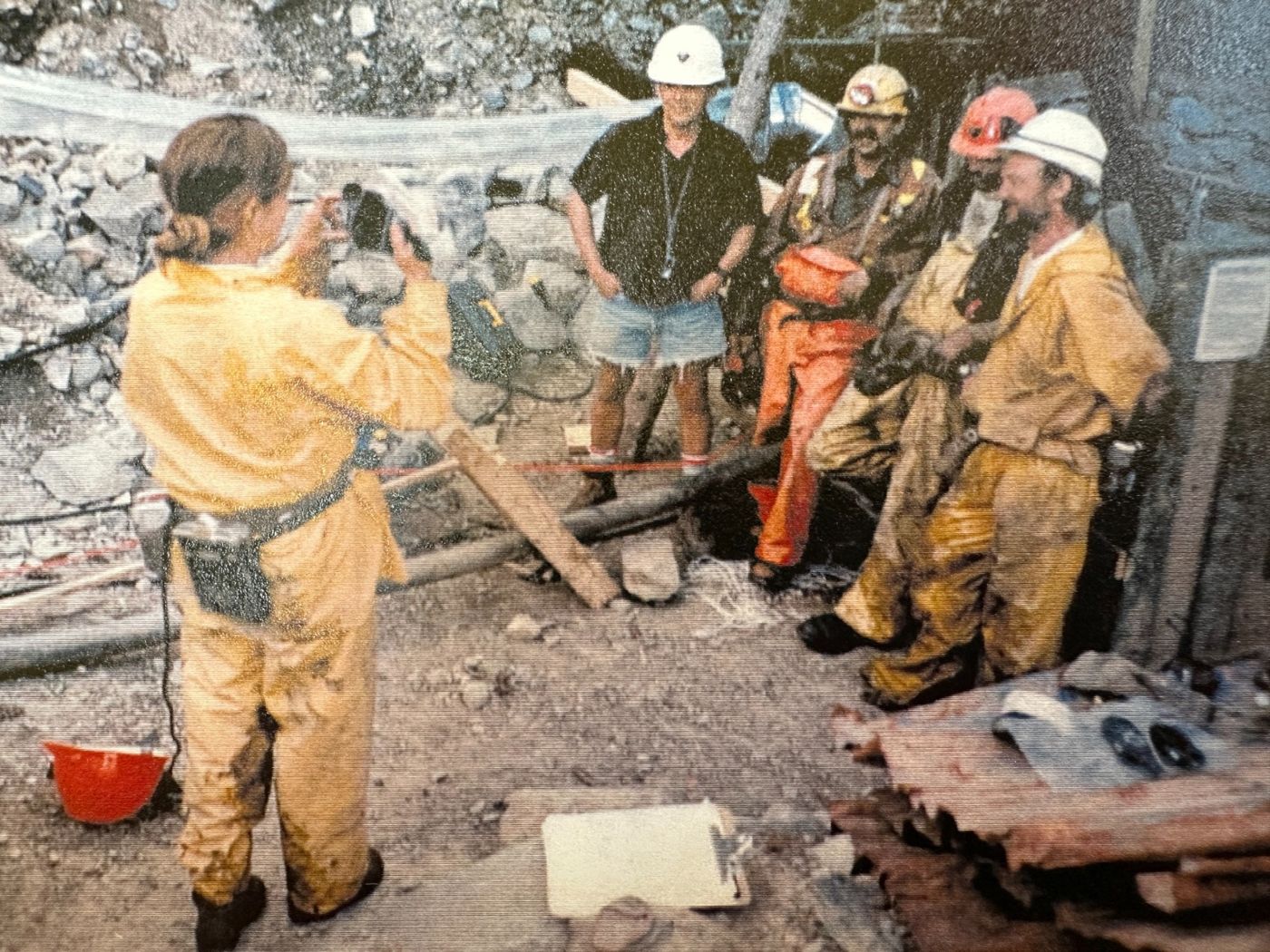
Mill Village, Queens County, is an old gold district. The Gold Eagle mine was the heart of it: a vein found in 1898, a company in 1899, a ten-stamp mill, two shafts. The mill burned in 1902. The company could not replace it. In two years it had produced 778 ounces from 1,149 tons, and then the hill went quiet. No one had gone back down the Gold Eagle shaft since 1902. Later tries found the collars blocked with boulders.
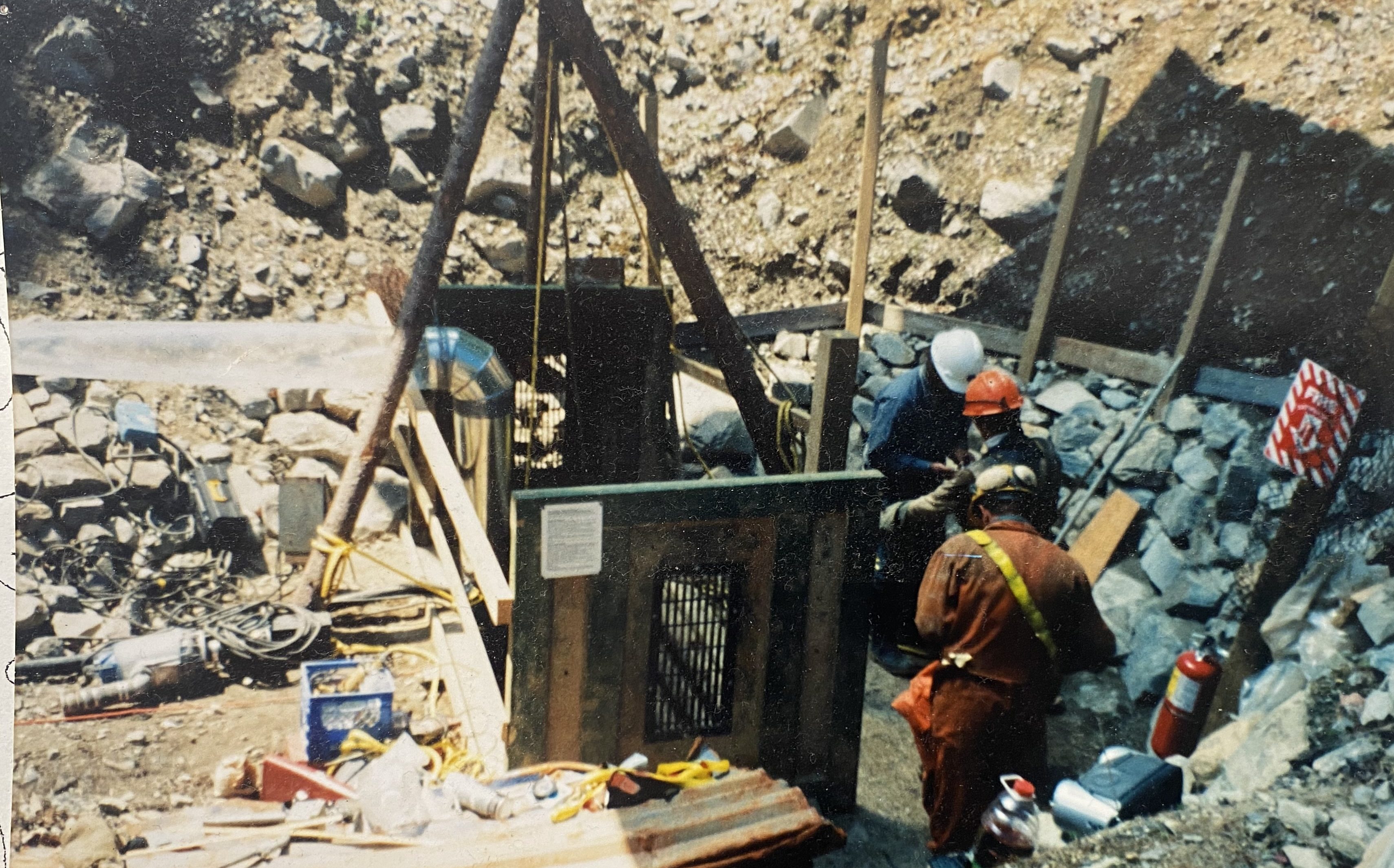
Lindsay staked that burned mine. The shaft he pumped — the family believes it was Gold Eagle — was full of water, a drowned working. He pumped it himself, self-funded, and went in for the gold. Elk moved the boulders that had stopped earlier attempts. Ariella Pahlke made a documentary of the endeavour, Rock and Desire, 2003, forty-seven minutes. The film’s own line: a man wading a geological quagmire, and hope in a mine abandoned for almost a century. The cover says he had staked 7,000 acres in Nova Scotia, and that the search had come to occupy the spare time and the savings.
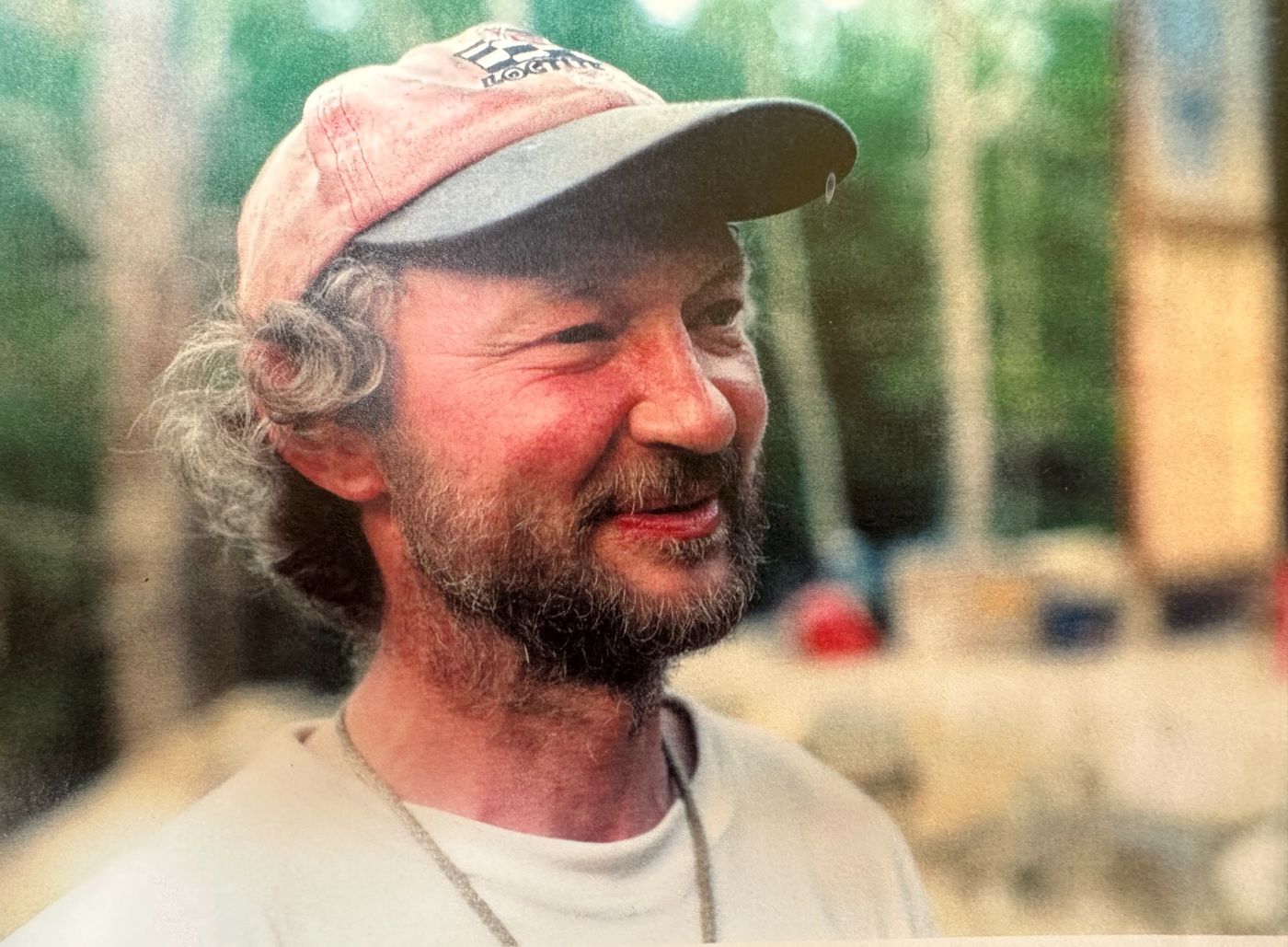
Why it is the legacy, not a footnote
Catcha, West Gore and Debert are the contracts that lasted. Mill Village is the character. A burned mill, a shaft full of water, and a prospector who would not wait for someone else’s budget to see the bottom.
Elk Exploration is the company he formed. Daniel files the assessments. The ground at Little Snare Lake is the last report, kept in good standing so the season does not end with him.
Still walking it
Daniel Allen
On the ground with his father from sixteen. Registered prospector. Agent for Elk. The handoff.
Ron Mills
Former Nova Scotia Department of Natural Resources geologist. Partner on Little Snare Lake. Helped write the 2023 report.
Ken Mallett
Former president of the Prospectors Association. Field partner on the lake.